

DEPT. OF MOLECULAR BIONICS · FIELD JOURNAL

SPECIMEN
LOG

Vol. I — experiments, specimens & transmissions

If found, return to:

Robin Kun

Molecular Bionics Engineering · est. 2026

turn the page

Fig. 02 · in vivo dissection

Specimen #01

designation: unknown

— dissection table 02 · do not remove specimens —

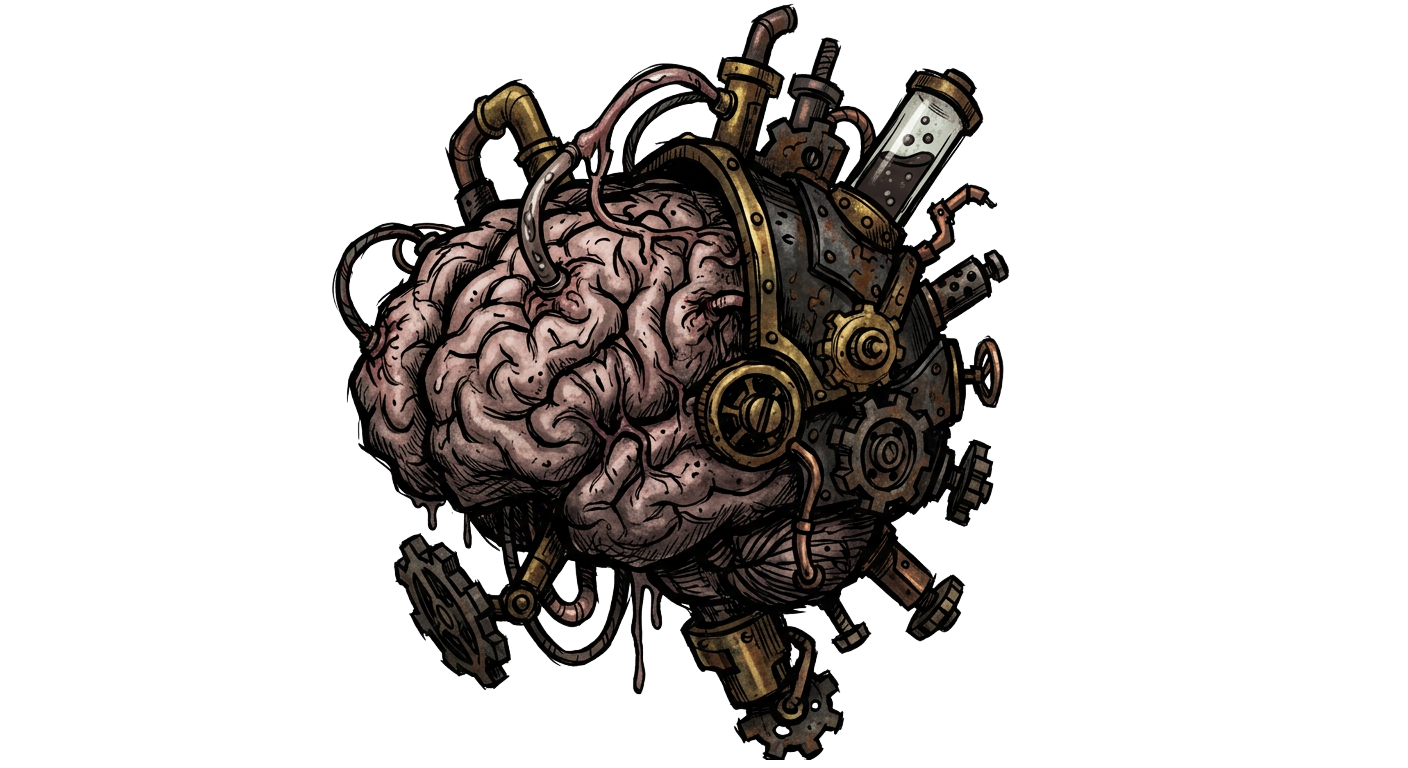
Synthetic brain specimen
Specimen01

Cerebral Processing — Logic

First-principles reasoning, a stubborn debugging instinct, and far too much coffee. Specialises in the messy seam between code and cells.

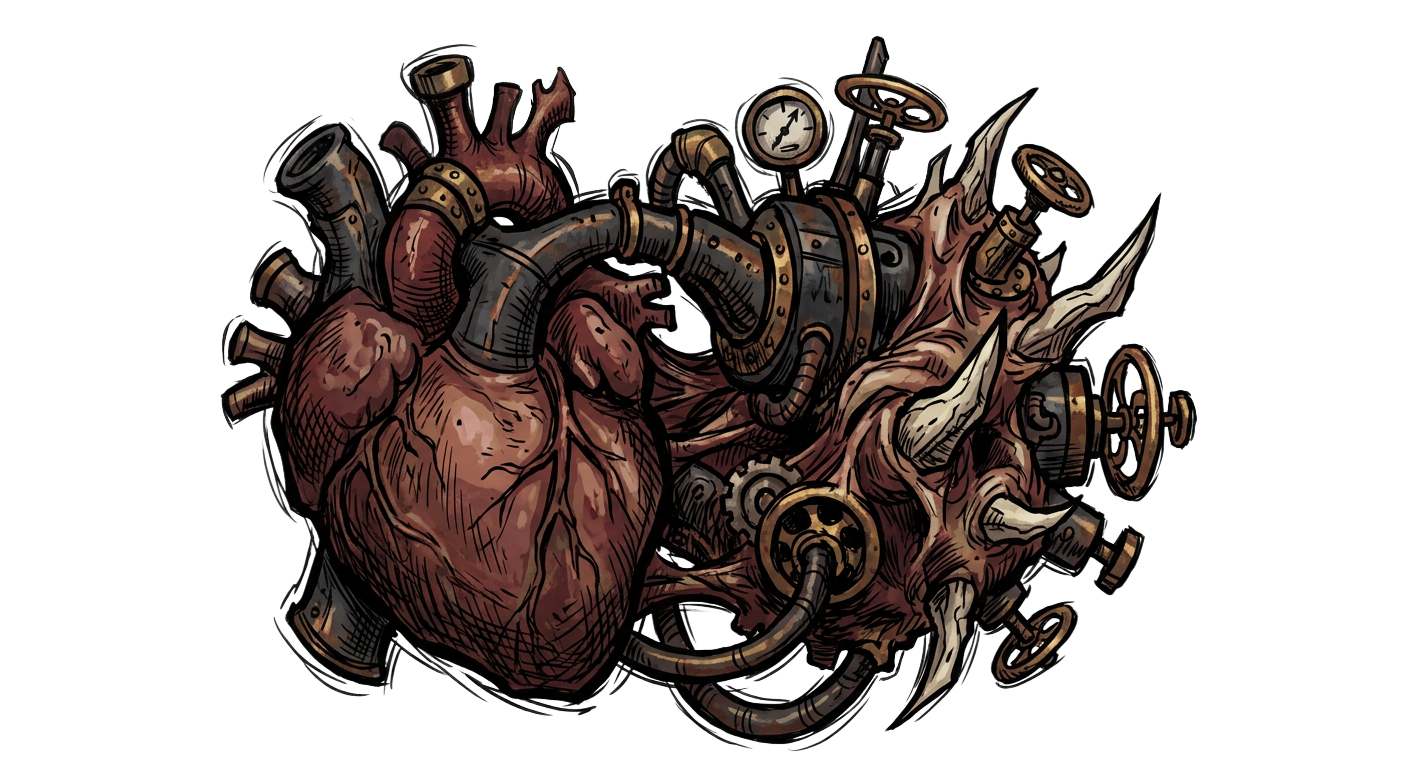
Mechanical heart specimen
Specimen02

Power Core — Ambition

Stitching together synthetic circuits and living tissue. Bridging the gap between machine and biology, one highly questionable experiment at a time.

Severed bionic leg specimen
Specimen03

Motor Functions — Hobbies

Off the bench: sketching imaginary creatures, lifting heavy things, and dismantling gadgets that worked perfectly fine.

Fig. 03 · the corkboard

Experiments

5 specimens currently on file

ONGOING
EXP-001

Spatial Dissection — 3D MRI Anomaly Detection

Automated slicing and exploded-view rendering of high-res CT/MRI scans. Uses a 3D U-Net to highlight micro-lesions and tumours, dissecting the data so the surgeon doesn't have to.

[ Python ] [ PyTorch ] [ Three.js ] [ Medical Imaging ]

PLANNED
EXP-002

Generative Wetware — Antibody LLM

Fine-tuning protein language models (ESM) to hallucinate novel antibody sequences. In silico screening for antigen binding affinity. Predicting immunity before it naturally evolves.

[ Transformers ] [ PyTorch ] [ MLOps ] [ Immunology ]

PLANNED
EXP-003

CRISPR Payload — Off-Target Predictor

A scalable MLOps pipeline evaluating sgRNA safety for in vivo editing. Predicts unintended DNA cleavage sites with terrifying accuracy. Containerised and ready for the wet lab.

[ Docker ] [ FastAPI ] [ Genomics ] [ TensorFlow ]

ONGOING
EXP-004

Neural Tapping — EMG Edge AI

Extracting individual finger intent from messy, high-noise forearm surface electromyography. A tiny neural net deployed straight to a microcontroller. It reads the twitch.

[ C++ ] [ TinyML ] [ Signal Processing ] [ Bionics ]

PLANNED
EXP-005

The Biological Clock — RNA Aging Model

A machine learning model fed on bulk RNA-seq data to predict true biological age. Identifying the exact transcriptomic signatures of cellular decay.

[ Python ] [ R ] [ Bioinformatics ] [ Genetics ]

Fig. 04 · the specimen shelf

Lab Toolkit

do not feed the specimens

Preserved cybernetic eye
PythonC++PyTorchNext.js

Digital Synapses

do not make eye contact

Cybernetic generative core
Machine LearningMLOpsBioinformaticsComputer VisionSignal Processing

Algorithmic Pathways

the grit of every algorithm

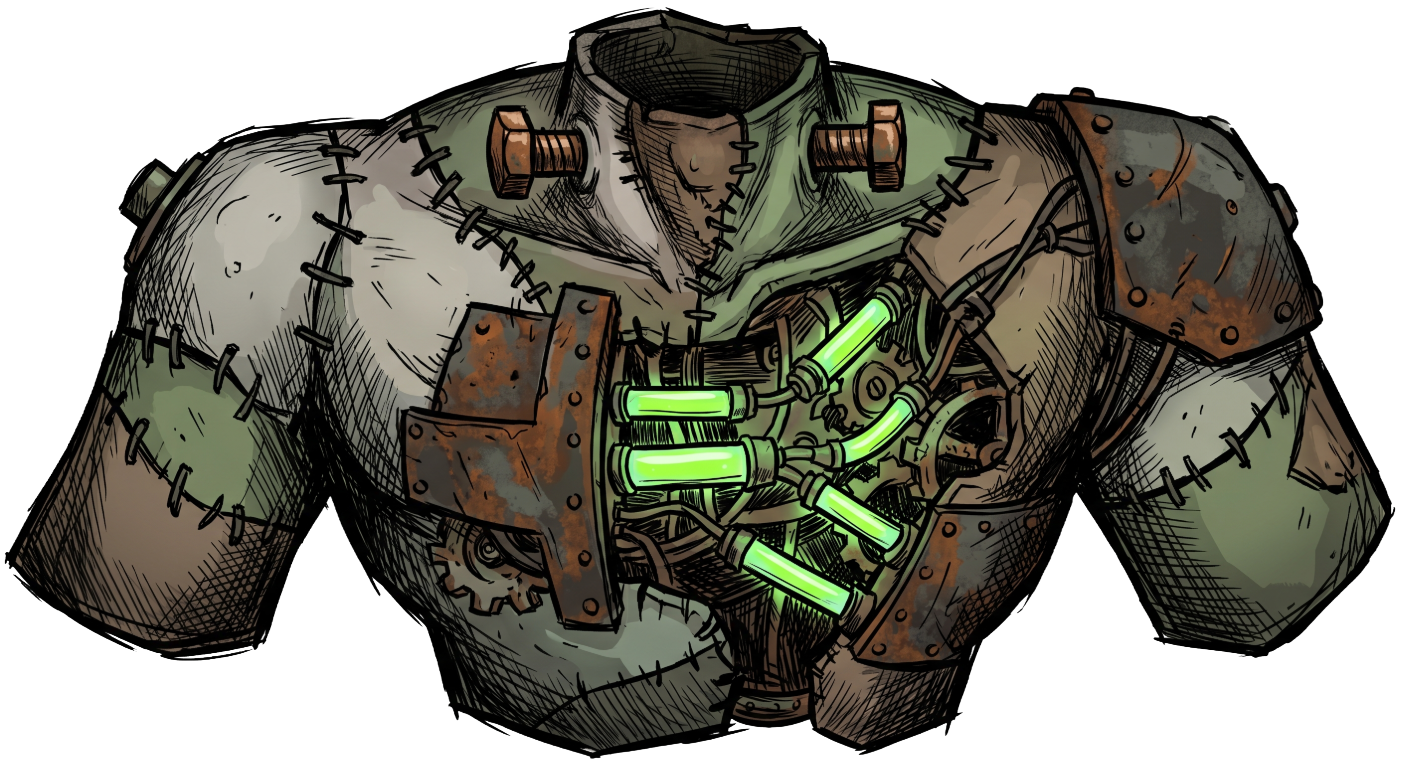
Frankenstein torso specimen
BiosensorsMolecular BiologyWet Lab OperationsEdge AI

Wetware & Hardware

some assembly required

Fig. 05 · classified

The Dossier

subject file — access restricted

MBE-074
Top Secret

File No. MBE-074 · Dept. of Molecular Bionics

Curriculum Vitae

SUBJECT: Viktor Robin Kun

CLASSIFICATION: TOP SECRET // CLEARANCE LVL 05

Education

B.Sc. Molecular Bionics Engineering — Pázmány ITK (Expected 2027)

Foundation: Chemical Technician & Laboratory Assistant — Petrik Lajos Institute.

Field & Clinical Experience

API Manufacturer — Sanofi Pharmaceuticals

· Synthesized high-grade active compounds. Mastered industrial-scale wet lab operations.

Freelance & Volunteer — MLOps / Software Engineering

· Self-taught algorithmic architect. Deployed autonomous data pipelines to compensate for human sleep cycles.

Laboratory Diagnostics

Extensive in-vivo capabilities: precise titrations, complex solution engineering, and genetics laboratory protocols. The subject thrives in the wet lab environment.

Threat Assessment

Formal awards: None (yet).

Psychological profile notes highly dangerous levels of motivation and a relentless, unyielding generation of experimental ideas. Do not underestimate.

// remainder of file sealed — clearance required

Request Clearance

Fig. 06 · transmission

Transmission

Out of lab time. Catch me on one of these frequencies before the next experiment —